


Peptides are short chains of amino acids that play crucial roles in biological processes, making them invaluable tools for scientific research. These versatile molecules serve as hormones, neurotransmitters, signaling compounds, and regulatory factors in living systems.
For laboratory researchers, peptides offer unique advantages in studying cellular mechanisms, protein interactions, and biochemical pathways through controlled in vitro and ex vivo experimental systems.
The peptide research field has grown dramatically in recent years, driven by advances in synthesis technologies and a better understanding of peptide biology.
Today’s research labs rely on high-quality, well-characterized peptides to conduct reproducible experiments and generate meaningful data in controlled environments.
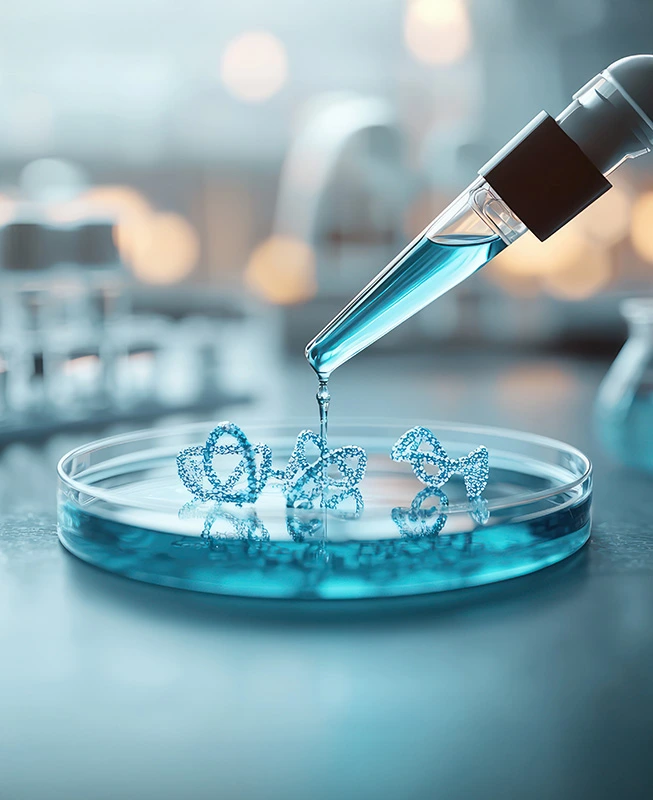

Your research depends heavily on the quality and consistency of your peptides. Purity, stability and proper storage can make a big difference in your outcomes. Understanding these key factors ensures reliable results and supports the integrity of your scientific work.

Peptides and Amino Acids: A Beginner’s Guide
Peptides and amino acids are the fundamental building blocks of life. These molecules work together [...]
1 Comment
12
Mar
Mar

Peptide Synthesis: How Peptides Are Made and Manufactured
Peptide synthesis has gone from being a niche laboratory technique to a cornerstone of modern [...]
19
Nov
Nov

Introduction to Peptide Purification Techniques
Peptide purification is a critical step in research that ensures your peptides are clean, pure, [...]
13
Oct
Oct

Peptide Quality Control: Methods, Standards and Best Practices
Peptides are complex molecules that require special attention during production and testing. Unlike simple chemicals, [...]
13
Oct
Oct

The Basics of Peptide Modification: What You Need to Know
Peptide modification has become essential for researchers studying protein interactions, cellular processes, and molecular mechanisms [...]
01
Jan
Jan

Peptide Stability: Guidelines and SOPs for Handling and Storage
Peptides are powerful research tools that can unlock new discoveries in your lab. However, these [...]
30
Dec
Dec
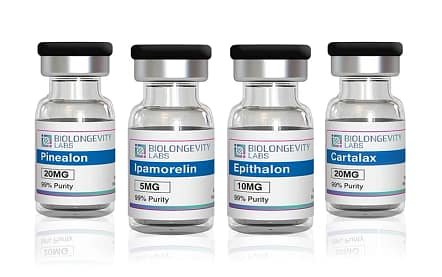
Peptide Nomenclature: Reference for Naming and Abbreviations
Understanding peptide nomenclature is essential for any research lab working with these important biological molecules. [...]
16
Dec
Dec
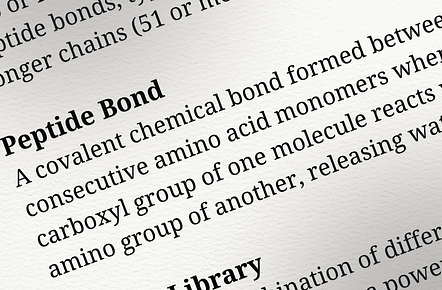
Peptide Glossary: Essential Definitions and Terminology
This alphabetical peptide glossary provides essential terminology for peptide synthesis researchers, covering key terms and [...]
29
Aug
Aug

Sale!

Price range: $838.95 through $10,067.00
Sale!
Price range: $839.00 through $5,369.00